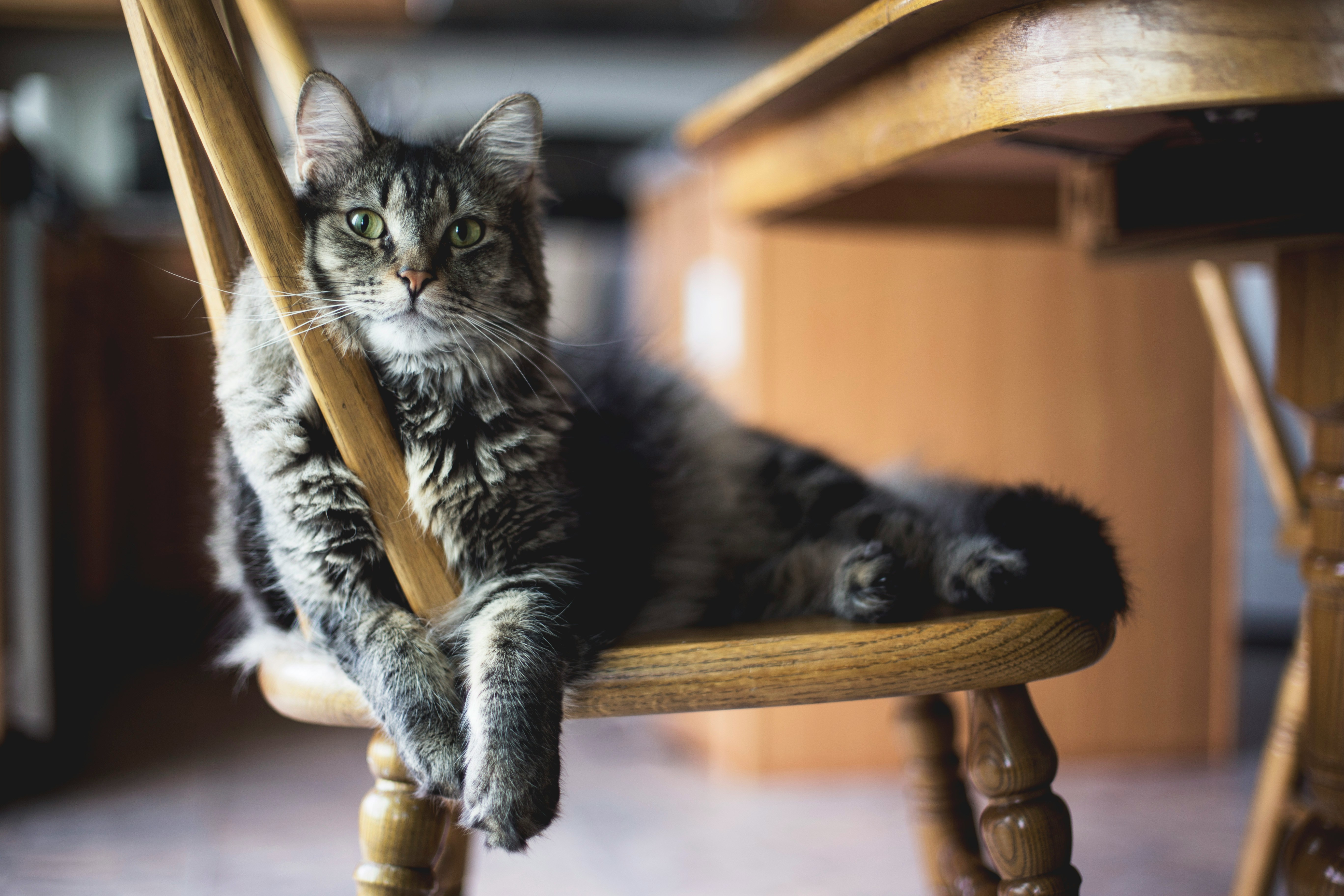
The Meow-nority Report: Why Cat Owners Are Getting Sidelined
I started to notice that in matchmaking, people seemed much more open to dogs than cats, so I decided to dig into the data. According to internal DateSpot database profile data as of Sept. 10, 2026, only 6% of singles say they won’t date someone with a dog. In other words, dogs are pretty universally accepted in dating. They’re rarely a dealbreaker.
Cats, however, are a different story. A full 28% of singles say they won’t date someone with a cat. That means more than four times as many people rule a cat owner than a dog owner out before a first date even happens. Millions of perfectly great humans are getting swiped left on…because of a 10-pound pet that naps for half the day.
This isn’t a hypothetical poll; this is real preference data pulled from over 3,000 active members who configured their matching filters. And it’s not that people without pets are more neutral. Among daters who explicitly don’t prefer either animal, twice as many are still open to dogs compared to cats. This isn’t indifference—it’s bias. To clear the air, we are breaking down 9 common cat myths—one for each of a cat's legendary 9 lives—to see if this dating prejudice actually holds up.
Myth 1: Cats Aren’t Active Enough
The argument of cats being sedentary doesn’t really hold up in reality. Dogs sleep just as much as cats, often 16–18 hours a day, especially puppies and senior dogs. Yes, some people want a dog to run with. But realistically, how many dog owners actually run with their dogs versus simply walking them? Exactly.
The majority of people want a pet for companionship, not a workout buddy. Plus, if daily movement is the goal, people can and do walk, hike, and stay active on their own just fine. If you need a partner to push you, a human friend or personal trainer is a better bet anyway—they can join you in the gym and won't get distracted by squirrels.
Growing up, my Scottish Fold cat, Riley, was incredibly active and outdoorsy. He would wander around the yard, and the entire neighborhood, and all it took was a snap of my fingers and calling his name for him to come running back happily. Cats are natural hunters if you let them explore. They’ll literally jump at the chance to play with you if you have a toy and they can pretend it’s a mouse. The “cats are lazy” narrative is more stereotype than substance.
Myth 2: Cats Are "Bitchy"
A massive roadblock for many daters is the stereotype that cats are emotionally detached and often (or always) cold. If people want a partner who values deep connection, they assume a dog is the only pet that reflects that capacity to bond.
But let's look at the dictionary definition: a bitch literally means a female dog. So if we are talking about which animal is technically capable of unkind behavior, linguistics actually point to canines.
Science also backs up that cats form incredible bonds. A landmark study from the Oregon State University Human-Animal Interaction Lab discovered that 65% of cats form a deep, "secure attachment" bond to their owners. That percentage perfectly mirrors the emotional bonds seen in both dogs and human infants with their caretakers.
As lead researcher Dr. Kristyn Vitale explained:
"The majority of cats use their owner as a source of security. Your cat is depending on you to feel secure when they are stressed out."
Cats don't lack a capacity for love; they just express it with subtle sophistication rather than boundary-less excitement.
Myth 3: The Smelly Cat
Ever since Phoebe on Friends sang her “Smelly Cat” guitar song at Central Perk, we’ve been conditioned to think cats are inherently stinky and unclean. But in reality, they are no smellier than dogs.
If you have an indoor/outdoor cat, there often isn’t any lingering scent. Even fully indoor cats can have completely odor-free homes. It just requires opening the windows on occasion—like you would with any house—and keeping the litter box clean.
Plus, cats are meticulous self-cleaners. They spend hours licking their fur for mini-baths, whereas dogs couldn't care less. Because of that, the shedding from dogs is actually tracking in far more outdoor dirt and grime than a clean cat coat ever would. I guess a song called “Smelly Litter Box” just wouldn’t have had the same comedic appeal.
Myth 4: Dogs Offer More Spontaneity
One overlooked advantage of dating someone with a cat is day-to-day flexibility. Dog ownership ties people down to rigid schedules, restricting spontaneity whether it’s last-minute dinner plans, staying out late, or heading straight out after work without a detour home.
Interestingly, a quarter of dog owners in the DateSpot database noted that travel is highly important to them, meaning they want to take three or more trips per year. While car trips are easy enough with a pup, frequent flights present a massive logistical hurdle. Car trips are much easier and more comfortable for a pet than an undercarriage plane trip. For someone who loves to travel, wouldn’t having a cat be the better choice? While cats still require care, their independent nature involves far less real-time scheduling. That flexibility matters immensely in the early stages of dating when you are trying to figure out if someone actually has the time and desire to prioritize you.
That said, there is an undeniable dating benefit to having a dog: social exposure. Dog parks, walks, and casual neighborhood interactions create built-in opportunities to meet lots of people. Cats don’t offer that. Let's be honest, walking a cat in a stroller isn't exactly going to help your dating life. But while social exposure is a nice perk for dog owners, it’s not a large enough reason to disqualify cat owners entirely. If we can embrace dogs despite the barking and the mandatory rainy-day walks, we can certainly make room for an animal that quietly purrs and thrives indoors.
Myth 5: Cats Will Destroy Your House
A major fear for daters visiting a cat owner's home is that they will find a shredded sofa or ruined carpets. People assume cats are chaotic little indoor wrecking balls that sharpen their claws on everything you own.
But dogs can mess up a house in similar—and often much larger—ways. An anxious or energetic dog can chew through baseboards, ruin drywall, tear up expensive shoes, and scratch solid wood doors to pieces trying to get out.
With proper care, scratching is entirely manageable. Providing scratchers, scratching posts, and routine nail trims keeps a cat's claws completely away from the furniture. At the end of the day, a bored or untrained pet of any species can cause property damage. Singling out cats for claws while ignoring a dog’s powerful jaws is just another double standard.
Myth 6: A "Cat Dad" Lacks Masculine, Desirable Traits
Many women say they’d prefer a man with no pet over a man with a cat. But a man who owns a cat often signals incredible green flags: responsibility, kindness, emotional intelligence, and a deep respect for boundaries (which cats strictly maintain).
It shows comfort with subtle cues, self-security that isn't threatened by outdated masculinity stereotypes, and a genuine orientation toward home life. If you want someone stable—or someone who might want kids someday—those traits matter. The qualities associated with caring for a cat often align perfectly with what many people ultimately want in a long-term partner.
From a personal perspective as a matchmaker, I’ve seen many masculine, kindly assertive men who have cats. I’ve noticed that men who do have cats tend to be quite balanced, normal individuals who don’t follow the crowd and thus tend to be authentic and interesting by nature.
Myth 7: The "Crazy Cat Lady"
We can't talk about cat bias without addressing the ultimate pop-culture trope: the "Crazy Cat Lady." Society has unfairly conditioned us to label a female with multiple cats as eccentric, lonely, and undatable.
But let’s be logical: what does owning two or three cats have to do with someone's fitness as a romantic partner? Absolutely nothing. In fact, wanting a pet to have a buddy of their same species is a thoughtful consideration, allowing them to interact more with each other and need you less.
In terms of the number of pets, a massive double standard exists. A person with three dogs would be celebrated as a fun, active "pack leader." A person with three cats is labeled a hoarder. In reality, multiple pets show a large capacity to love and care for others. When you get beyond a few of the same animals, yes, it can begin to feel overwhelming or overboard. But this has nothing to do with the type of pet—it would apply no matter what species were involved.
Myth 8: Allergies Are an Automatic Dealbreaker
Allergies are real, and cat dander can be tough for some people. But for many, this is entirely manageable with minor routine adjustments or basic medication.
Plus, a lot of people who are allergic to cats are also allergic to dogs—so why are they not filtering both of them out? In cases where people quickly write off cat owners without a second thought, it’s worth asking whether allergies are a genuine medical barrier, or simply a convenient justification for a pre-existing bias.
Myth 9: Dogs Are Better With Kids
People think dogs are great with kids - and they can be. But let's break this down.
First, it depends on the dog. Certain breeds can be extremely aggressive, unlike cat breeds.
Second, the National Institutes of Health reports that dogs cause exponentially more severe physical injuries than cats in terms of trauma, severity, and number. Dogs account for 4.5 million severe bites annually, compared to about 400,000 for cats. That's a major risk difference.
Now, the data also shows that a cat bite is far more likely to result in a hospital visit for severe infection, so that's no joke either. But still, much less likely to happen.
Beyond bites, there are falls. Dogs are responsible for 88% of pet falls, cats responsible for just 12%. About a third of sever pet falls lead to fractures.
And we have to consider deaths as well. Sadly, there are about 43 deaths per year in the U.S. due to dogs, and none statistically due to cats.
Both dogs and cats can give a child another companion and teach them responsibility through basic pet care. Dogs are just a less safe environment, statistically.
The Reality: Blame the Bias, Not the Cat
Cat owners are quietly removed from dating pools, while cats are treated like a romantic liability instead of what they often are: low-drama roommates who use a box for their mess.
Sure, cats aren’t as overtly needy as dogs. But is a dog’s constant demand for attention, twice-daily walks, barking, and logistical planning really superior in every scenario? That depends entirely on the person. Riley was affectionate, loyal, social, and calm without being overwhelming. He ended up winning over even my friends who claimed to hate cats because the stereotypical "cat personality" they feared simply wasn’t there.
If someone is disqualified solely over a cat, that might say more about the dater than the pet. Unless it’s a debilitating allergy, the person seems to be more rigid and assuming.
Maybe DateSpot and other matchmaking companies should even consider pet preferences as a proxy for open-mindedness—a trait that bodes well for relationship success. So stop being a pet-ist. Think about what really matters and don’t make assumptions. If you’re a DateSpot member, log into your account at www.datespot.love to check and adjust your pet criteria if you like.
This one change in mindset and filters can lead to an unexpected friend while meeting the human love of your life.
Drop a 🐾 in the comments below if you liked this post!